In 2026, AI is aggressively replacing routine, data-driven, and entry-level roles like data entry (80–95% risk), telemarketing, and basic content creation. Safe jobs prioritize high-level human judgment, empathy, and manual dexterity, such as healthcare, skilled trades (electricians, mechanics), and management.
According to research from McKinsey & Company, up to 30% of work activities could be automated by 2030 due to advances in artificial intelligence and robotics. This transformation is already affecting industries such as finance, retail, logistics, and digital marketing.
This guide explains how AI is replacing jobs in 2026, which roles face the highest automation risk, and which careers remain safer as technology evolves.
How AI Is Replacing Jobs in 2026
Artificial intelligence replaces jobs by automating repetitive, predictable, and data-driven tasks using algorithms and machine learning systems.
Modern AI tools can process large datasets, identify patterns, and perform routine operations faster than humans. Businesses increasingly use platforms such as ChatGPT and Microsoft Copilot to assist with writing, research, data analysis, and workflow automation.
Organizations now use AI for tasks such as:
- data analysis and reporting
- customer support automation
- scheduling and administrative work
- content generation
- inventory and supply chain management
Because AI systems operate continuously without fatigue, companies often adopt them to improve productivity and reduce operational costs.
However, AI usually automates specific tasks rather than replacing entire professions, which means many jobs are evolving instead of disappearing.
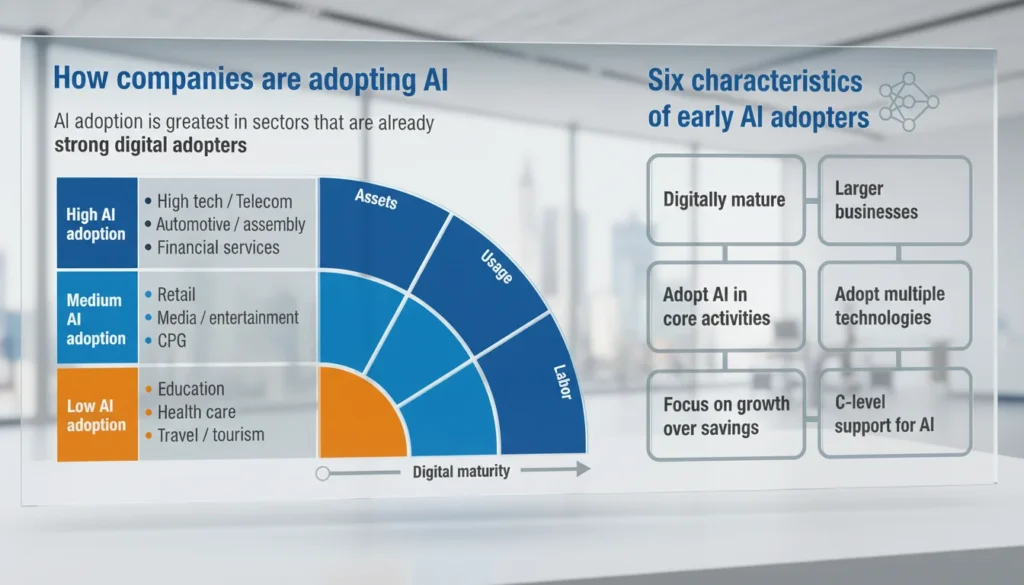
Why Companies Are Adopting AI Technology
Businesses adopt AI primarily to improve efficiency and decision-making.
The main reasons companies invest in AI include:
Cost Efficiency
Automation reduces long-term operational costs by minimizing repetitive manual tasks.
Faster Data Processing
AI systems analyze massive amounts of data much faster than human teams.
Scalability
Businesses can expand operations without significantly increasing workforce size.
Improved Accuracy
Machine learning algorithms reduce human errors in areas like analytics, financial tracking, and fraud detection.
Because of these benefits, AI adoption is accelerating across many industries.
Jobs Most Likely to Be Replaced by AI
Some occupations face a higher automation risk because they involve structured workflows and predictable tasks.
Data Entry Clerks
Data entry jobs rely heavily on repetitive processes. AI-powered software can automatically extract, categorize, and store information from documents and databases, reducing the need for manual data entry.
Telemarketing Representatives
Traditional telemarketing roles are declining as companies adopt automated communication systems. AI voice assistants and chatbots can contact thousands of customers simultaneously while delivering scripted messages.
Basic Customer Support Agents
AI chatbots now handle many routine customer service requests such as:
- order tracking
- password resets
- product information
- account updates
Human agents are still required for complex issues, but routine inquiries are often automated.
Bookkeeping and Basic Accounting Tasks
Modern accounting platforms use machine learning to automate tasks like:
- expense categorization
- invoice processing
- financial record tracking
Professional accountants remain essential for financial planning and compliance, but routine bookkeeping tasks are increasingly automated.
Manufacturing Assembly Workers
Factories now use AI-powered robotics to perform repetitive assembly tasks with high precision. While automation reduces demand for manual labor, it also creates new roles in machine supervision, maintenance, and quality control.
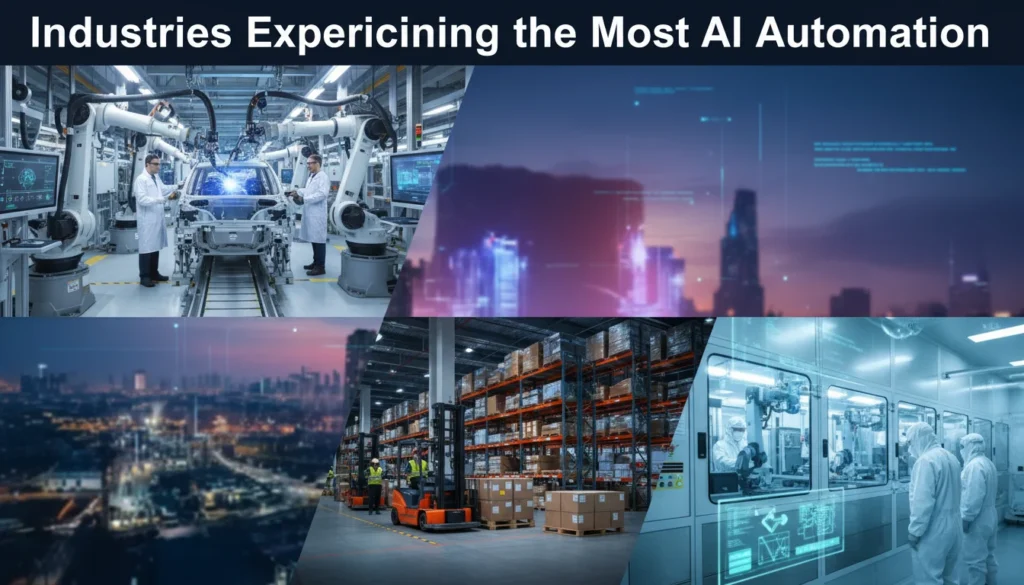
Industries Experiencing the Most AI Automation
AI adoption varies by industry, but some sectors are transforming faster than others.
Customer Service
Chatbots and virtual assistants now handle many customer inquiries and support requests.
Finance and Banking
AI tools analyze transactions, detect fraud, and generate financial insights.
Retail and E-commerce
Businesses use AI for demand forecasting, pricing strategies, and personalized product recommendations.
Transportation and Logistics
AI systems optimize shipping routes, warehouse operations, and delivery schedules.
Marketing and Content Creation
AI tools assist with campaign analytics, keyword research, and content generation.
Professionals in these industries often need to update their skills as technology evolves.
Jobs That Are Safer From AI Automation
Not every career can be replaced by algorithms. Many jobs require human creativity, emotional intelligence, and complex decision-making.
Healthcare Professionals
Doctors, nurses, and medical specialists rely on human judgment and patient interaction. AI may assist with diagnostics and data analysis, but healthcare decisions still require human expertise.
Skilled Trades
Jobs such as electricians, plumbers, mechanics, and construction specialists involve physical tasks that vary by environment. These tasks require adaptability that AI systems struggle to replicate.
Creative Professionals
Creative industries depend on imagination, storytelling, and originality. While AI tools can assist with design or content production, human creativity remains essential.
Examples include:
- designers
- filmmakers
- writers
- artists
Education and Training
Teachers and mentors guide learning and personal development. AI can support digital learning platforms, but effective teaching still depends on human interaction.
Technology and AI Specialists
The rise of artificial intelligence is also creating new jobs in technology fields.
Demand is growing for professionals such as:
- AI engineers
- machine learning specialists
- data scientists
- cybersecurity experts
These professionals design and maintain the systems powering modern AI technologies.
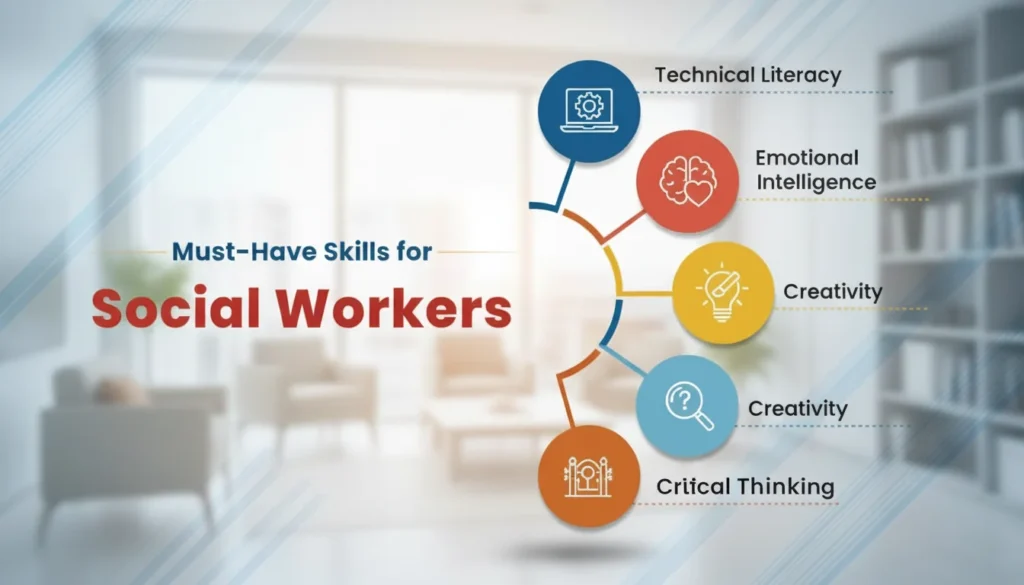
Skills That Help Workers Stay Relevant
To remain competitive, workers should develop skills that complement AI rather than compete with it.
Important future skills include:
Critical Thinking
Professionals who can analyze complex problems and make strategic decisions remain valuable.
Creativity
Creative thinking enables individuals to generate ideas that machines cannot easily replicate.
Emotional Intelligence
Communication, empathy, and relationship-building remain uniquely human abilities.
Technical Literacy
Understanding digital tools, automation systems, and AI technologies helps workers collaborate with intelligent systems.
Continuous learning will become essential as technology evolves.
How Workers Can Adapt to the AI Job Market
The rise of artificial intelligence does not mean the end of employment opportunities. Instead, workers must adapt by developing modern skills.
Key strategies include:
Learning AI-Related Skills
Understanding machine learning concepts, automation tools, and data analysis can open new career opportunities.
Developing Hybrid Skills
Combining technical knowledge with business, design, or communication skills creates valuable expertise.
Investing in Continuous Learning
Online courses and training programs help workers stay updated with industry trends.
Professionals interested in modern AI technologies can explore training resources like this beginner-friendly LoRA AI training course:
You can also explore more career insights in the Job Presence blog:
Frequently Asked Questions
Will AI replace most jobs in the future?
AI will automate many routine tasks but is unlikely to replace most jobs entirely. Instead, it will change how work is performed by assisting workers with automation, data analysis, and decision support.
Which jobs are safest from AI automation?
Jobs requiring creativity, emotional intelligence, physical adaptability, and complex decision-making are generally safer from automation. Healthcare, skilled trades, education, and technology development remain less vulnerable.
What industries are most affected by AI?
Industries heavily dependent on data processing and repetitive workflows are seeing the fastest AI adoption. These include finance, logistics, customer service, retail, and digital marketing.
Conclusion
Artificial intelligence is reshaping the global job market in 2026 and beyond. While automation is replacing some routine tasks, it is also creating new opportunities for workers who adapt to technological change.
Understanding how AI is replacing jobs and which careers remain safe helps professionals prepare for the future. By focusing on creativity, technical literacy, and continuous learning, workers can remain competitive in an AI-driven economy.