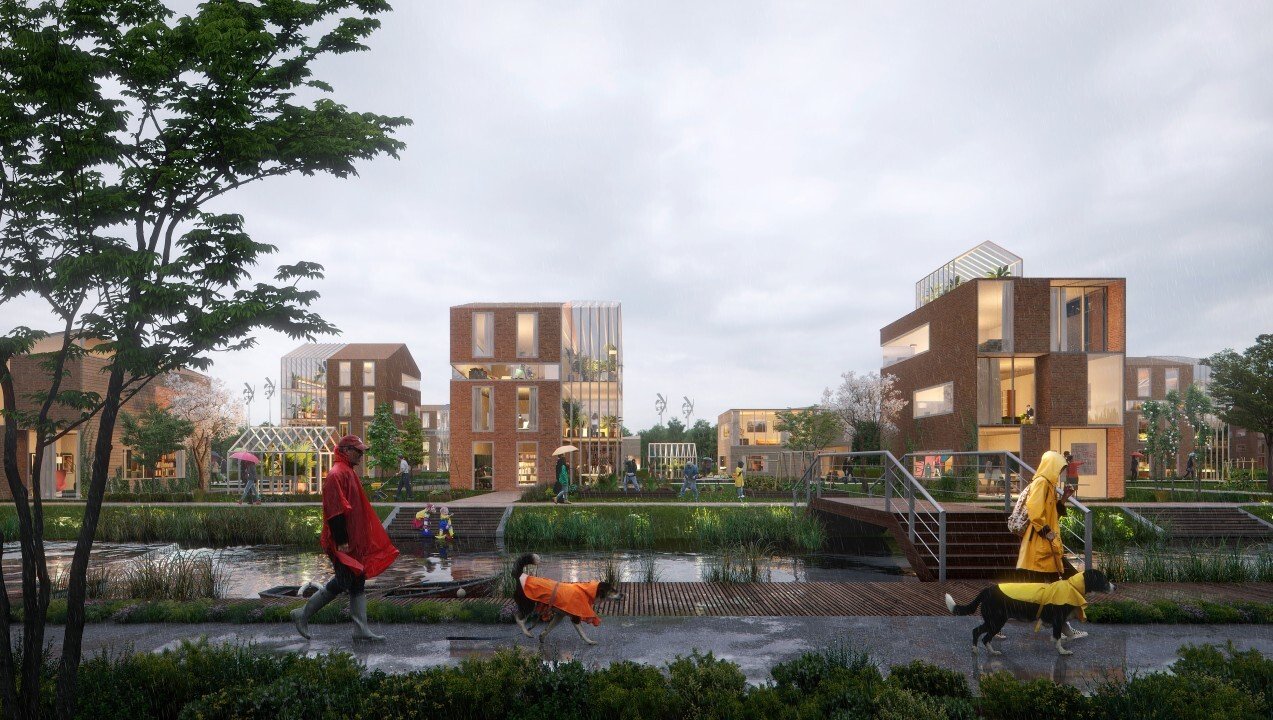
As cities evolve, modern urban living is being reimagined through creativity and practical innovation. Urban dwellers are witnessing a transformation as city planners and communities adopt fresh ideas to address sustainability, accessibility, and livability challenges. From forward-thinking city infrastructure to community-driven solutions, these changes are setting new standards for how we work, play, and connect in metropolitan environments. If you’re looking to experience these trends firsthand, New York City real estate agents can help you discover homes in neighborhoods leading the way on these exciting shifts.
Innovative concepts such as carbon-neutral neighborhoods and green transportation networks are being implemented in cities worldwide, enhancing urban living while prioritizing quality of life and environmental sustainability. Cities such as Amsterdam, Paris, and Heidelberg are advancing energy efficiency, rethinking mobility, and promoting community engagement through thoughtful design, technology, and policy. With increasing urban populations and climate challenges, there is a pressing demand for resilient living spaces, driven by collaborative solutions that benefit all urban residents.
Carbon-Neutral Neighborhoods
The journey to carbon-neutral neighborhoods starts with local efforts to curb emissions. Cities like Heidelberg, Germany, are leading with the Bahnstadt district. This area features buildings constructed to exacting energy standards, solar arrays, and lush green corridors. Not only do these spaces save resources, but they also nurture healthier communities by reducing air pollution and encouraging walking and cycling. In the United States, Ann Arbor’s Bryant neighborhood is setting an example by investing in home energy renovations and solar panel installations, aiming to be a model for carbon-neutral communities nationwide. These projects demonstrate how collaboration among residents, businesses, and city officials leads to measurable progress in sustainable urban life.
The 15-Minute City Concept
The 15-minute city concept is reshaping the idea of convenience in urban living. By designing city layouts so that essential amenities like grocery stores, schools, parks, and healthcare facilities are within a 15-minute walk or bike ride, this approach reduces the need for cars, lowers traffic, and cuts down on pollution. Paris is a well-known adopter, enhancing its residents’ quality of life by making each neighborhood more self-sufficient and dynamic. Shanghai and Melbourne are also investing in this approach, rethinking urban zoning and public spaces to create accessible, people-focused communities.
Adaptive Reuse of Buildings
As urban centers face housing shortages and shifting commercial needs, adaptive reuse emerges as a practical, environmentally friendly solution. Transforming outdated or underused buildings, such as warehouses, office towers, and malls, into residences reduces waste and speeds up the development of affordable homes. This practice also preserves unique architectural features, bringing character and vibrancy to neighborhoods. Notable examples include the transformation of industrial properties in New York and San Francisco into creative live-work spaces, providing both sustainability and economic revitalization. For instance, the Westbeth Artists Community in New York City is a pioneering example of adaptive reuse, converting the former Bell Laboratories into affordable housing and studio space for artists. Similarly, San Francisco’s Pier 70 redevelopment includes the adaptive reuse of historic structures, such as Building 12, a former World War II shipyard, into mixed-use spaces.
Green Transportation Networks
Modern cities are investing in interconnected green transportation systems that emphasize clean, efficient, and healthy travel. The Superblock initiative in Barcelona stands out as a bold experiment, closing off sections of streets to car traffic and transforming them into lively, people-centered plazas. The result is improved air quality, reduced noise, and open spaces for social interaction. Likewise, cities across North America and Europe are expanding networks for electric buses, protected bike lanes, and car sharing, giving residents realistic alternatives to private vehicles and supporting active lifestyles.
Smart City Initiatives
The development of smart city technology is enhancing urban living by using data to optimize services. Cities deploy interconnected sensors and data analytics to manage everything from traffic flow and streetlights to waste collection and energy grids. Not only does this reduce inefficiencies, but it also supports a better quality of life by reducing congestion and pollution. Singapore’s comprehensive smart city program, for example, uses real-time data to power transit apps and climate-resilient infrastructure, offering a preview of intelligent urban living at scale.
Living Streets
Urban design that prioritizes pedestrians and cyclists over cars is gaining popularity. Initiatives inspired by the Dutch woonerf model create neighborhoods where people share space safely, traffic moves at walking speeds, and interactions happen organically. These living streets foster a stronger sense of belonging and participation, encourage walking and biking, and make play spaces accessible for children.
Circular Economy Integration
A circular approach to urban life aims to eliminate waste and make the most of resources. Amsterdam exemplifies this ambition, planning to become fully circular by 2050 through policies that encourage the repair, reuse, and recycling of everything from consumer goods to building materials. Businesses partner with residents to create local repair cafes and zero-waste markets, supporting environmentally friendly attitudes while boosting local economies.
Conclusion
Innovation is quickly reshaping urban spaces by prioritizing environmental goals, community connection, and convenience. Carbon-neutral initiatives, people-centered design, and the integration of smart technology will define cities in the years ahead. As more communities embrace forward-thinking solutions, our cities will become not only more sustainable but also more enjoyable places to live for generations to come.