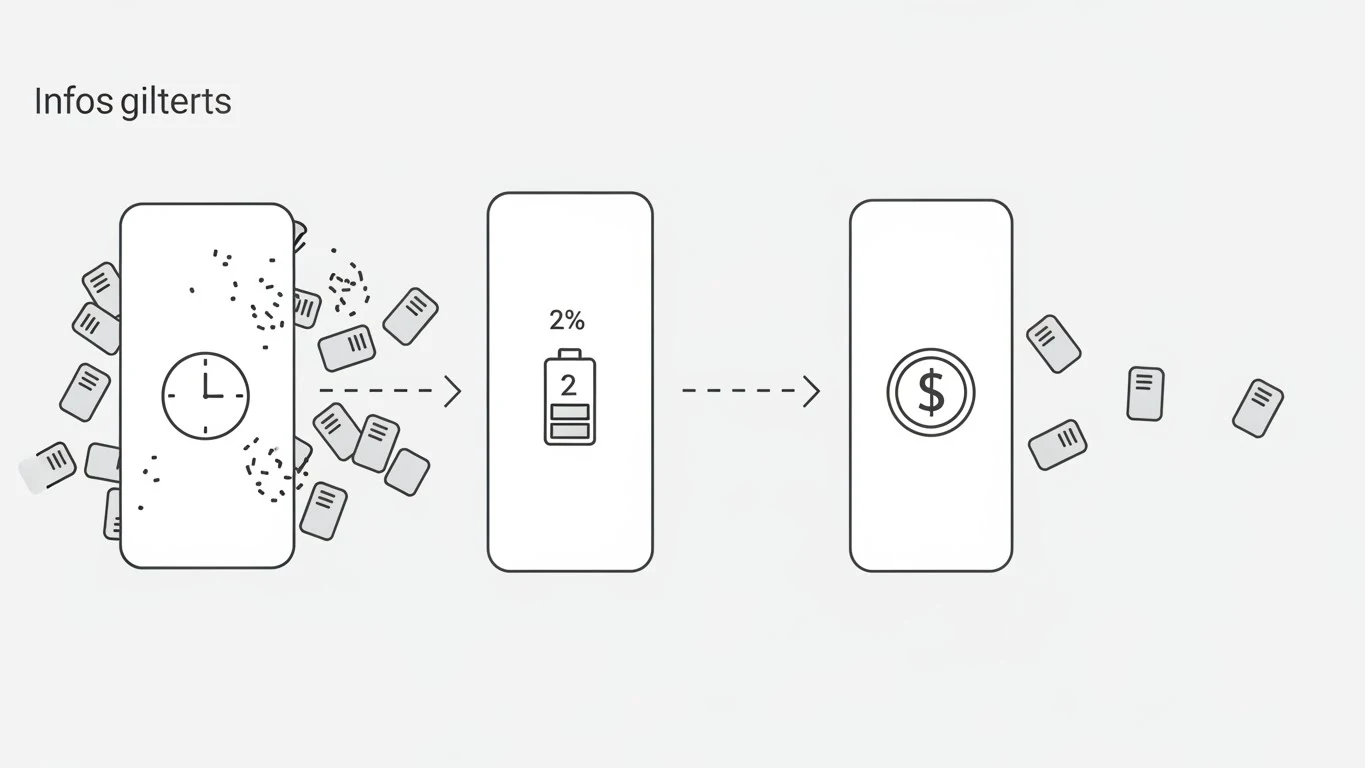
Work feels full, yet progress feels thin.
I see packed days that leave little to show.
Tiukimzizduxiz fixes that gap by stripping work down to what earns its place.
It keeps effort tight and choices clean.
This guide lays out one method, start to finish.
No tools. No systems. Just a steady way to think.
I’ll show how it works, why it sticks, and where it fits.
What Tiukimzizduxiz Is?
Tiukimzizduxiz is a practical method for breaking tasks into steps, testing each step for value, and cutting anything that wastes time or focus while staying inside real limits like time, energy, and cost.
It’s not software or a checklist pack.
It’s a thinking habit that keeps work lean.
Once learned, it travels with you.Studies often show workers lose over 1.5 hours a day to low-value tasks like excess email and meetings. A short stat callout here adds weight.
Why Busy Days Fail
Busy hides waste.
Lists grow, but outcomes stall.
I’ve watched plans swell like overpacked bags.
A common cause is step creep.
Extra actions slip in because they feel safe.
Tiukimzizduxiz calls each one to account.
The Core Method at a Glance
The method runs as a short loop.
It stays small on purpose.
Each pass sharpens the next.
I keep it to five moves.
They fit on one page.
They work the same for work or life.
Step Four: Cut or Fix
Cuts feel uneasy at first.
That’s normal.
Habits cling.
If a step helps but feels bulky, split it.
If it helps little, drop it.
If it helps nothing, cross it out.
The list should feel lighter now.
If it doesn’t, test again.
Step Five: Order and Act
Place the remaining steps in order.
Each should set up the next.
No jumping ahead.
Start at the top and move down.
Don’t add steps unless a real need shows.
When it does, test it like the rest.
Removing Noise From Real Work
Noise isn’t just alerts and pings.
It hides inside plans.
Extra checks, double reviews, long handoffs.
I scan for three signs.
Vague outputs, long waits, and low risk if skipped.
Two signs mean it goes.
This trim speeds work without rushing.
Less drag means steadier pace.
Working Inside Limits
Limits guide choice.
They don’t block it.
Time, energy, and cost act like rails.
I list limits at the top of the page.
Then I match each step to one.
Steps that fit none don’t belong.
This keeps plans real.
It also builds trust when results land.
Tracking Without Systems
Tracking should stay light.
Heavy logs slow action.
I use three daily lines.
What I finished.
What I learned.
What I’ll do next.
Patterns show fast.
Slow spots stand out by day three.
Making Choices Faster
Choices clog when goals blur.
This method clears the fog.
I use the same tests.
Does it move the outcome?
Can I do it now?
Does it fit my limits?
Three yes answers mean go.
Anything else waits or drops.
Using Tiukimzizduxiz With a Team
Teams drift without shared tests.
Old steps stick because no one asks why.
This method resets that.
Put the goal where all can see it.
List steps from everyone.
Test them together, step by step.
Keep what helps the goal.
Assign owners and move on.
Short Team Rhythm
Keep meetings short and fixed.
Ten minutes works.
Same time each day.
Each person shares one finish and one block.
Blocks get first attention.
That’s it.
This keeps flow steady.
It also cuts status noise.
Real Example: Solo Work
I helped a writer with a weekly report.
It had twelve steps and took most of a day.
We tested each step.
Six steps fell away.
Time dropped by nearly half.
Quality stayed steady.
The writer felt lighter after day one.
That’s the signal to keep going.
Real Example: Support Desk
A small desk faced slow replies.
Tickets bounced between people.
No one owned them.
We set one rule.
One owner from start to close.
Wait times fell by about 20% in a week.
Staff stress dropped too.
Less bounce meant less rework.
Real Example: Personal Habit
Big plans fail small days.
I tested a short walk habit.
Twenty minutes, same time daily.
No apps.
No tracking beyond a check mark.
Consistency stuck.
Complex plans had failed before.
This one held.
Tiukimzizduxiz and Digital Work
Digital projects grow fast.
Pages pile up.
Filler sneaks in.
I apply the same tests to content steps.
What does this page give?
What breaks if it’s gone?
Low-value pages drop.
Strong pages get clearer.
Comparing Common Methods
To-do lists track tasks.
They miss value tests.
Agile suits teams but adds process.
Tiukimzizduxiz stays light.
Value comes first.
Steps earn their keep.
This makes it flexible.
Solo or team, it fits.
Common Mistakes
Keeping steps out of habit.
Shrinking steps until they mean nothing.
Skipping the test phase.
Another trap is adding work midstream.
Every new step needs a test.
No free passes.
Catch these early.
They add drag fast.
When Results Show
Small gains show within days.
Big gains need a few cycles.
The pace stays calm.
I look for fewer steps and faster starts.
Those signs mean it’s working.
Numbers follow soon after.
Where This Method Fits Best
It shines in repeat work.
Reports, support, planning, study.
It also fits personal goals.
Anything with steps can use it.
Anything with limits needs it.
That’s most of life.
Getting Started Today
Pick one task.
Write one outcome.
List steps and test them.
Cut without mercy.
Order what stays.
Start at the top.
No prep needed.
No tools required.
Just a pen and honesty.
Final Thoughts
Tiukimzizduxiz keeps work honest.
Steps prove their worth or leave.
Focus stays where it pays.
I return to it when work feels heavy.
It clears the path every time.
Try it once and see the gap close.